

We’re celebrating the release of our 2019 Reserve Cabernet Sauvignon Heart Hill Vineyard ($95) with a deep dive into the art, science and history of French oak barrels. This wine was aged in a set of barrels that Winemaker Patrick hand-selected on his journey to the St. Palais forest in 2017, a feat that rarely occurs with modern barrel making. The result is a wine that combines the warm oak flavors of cinnamon and vanilla with a dark, brambly wine full of rich tannins and plenty of personality.
We released the 2019 Reserve Cabernet Sauvignon in the Fall of 2025, but its creation started over eight years ago with a trip to France. Making French oak barrels is a grand undertaking: a balance of art, ecology and science that can take 200 years from start to finish. The journey begins in the heart of France’s carefully managed oak forests where Winemaker Patrick Muran traveled with bottles of wine in tow to learn from the longtime stewards of the land.
In the photo below, he stands underneath the towering branches in the St. Palais Forest, 100 miles south of Paris. He took the trip with one of our coopers (barrel makers), Tonnellerie Ô, to learn more about the ‘forest to cellar’ journey of a barrel and to select the oak trees that ultimately aged the 2019 Reserve Cabernet Sauvignon.
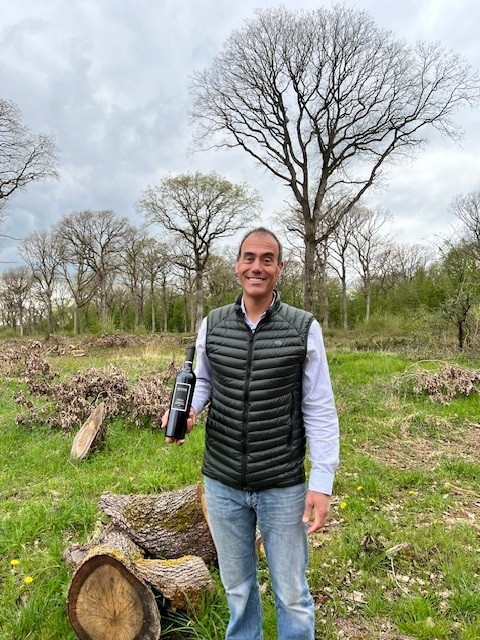
Winemaker Patrick Standing in the St. Palais Forest
In this highly acclaimed forest trees often grow between 100 to 200 years, and sometimes up to 400, before they are harvested. These older trees are revered for their controlled flavor extraction, structural integrity and refined tannins. And after they are cut down and seasoned, the resulting oak staves are sent to mills around France. The staves are often separated and distributed, but by traveling to the forest we were able to work with the team at Tonnellerie Ô to create a ‘single forest’ set of barrels.
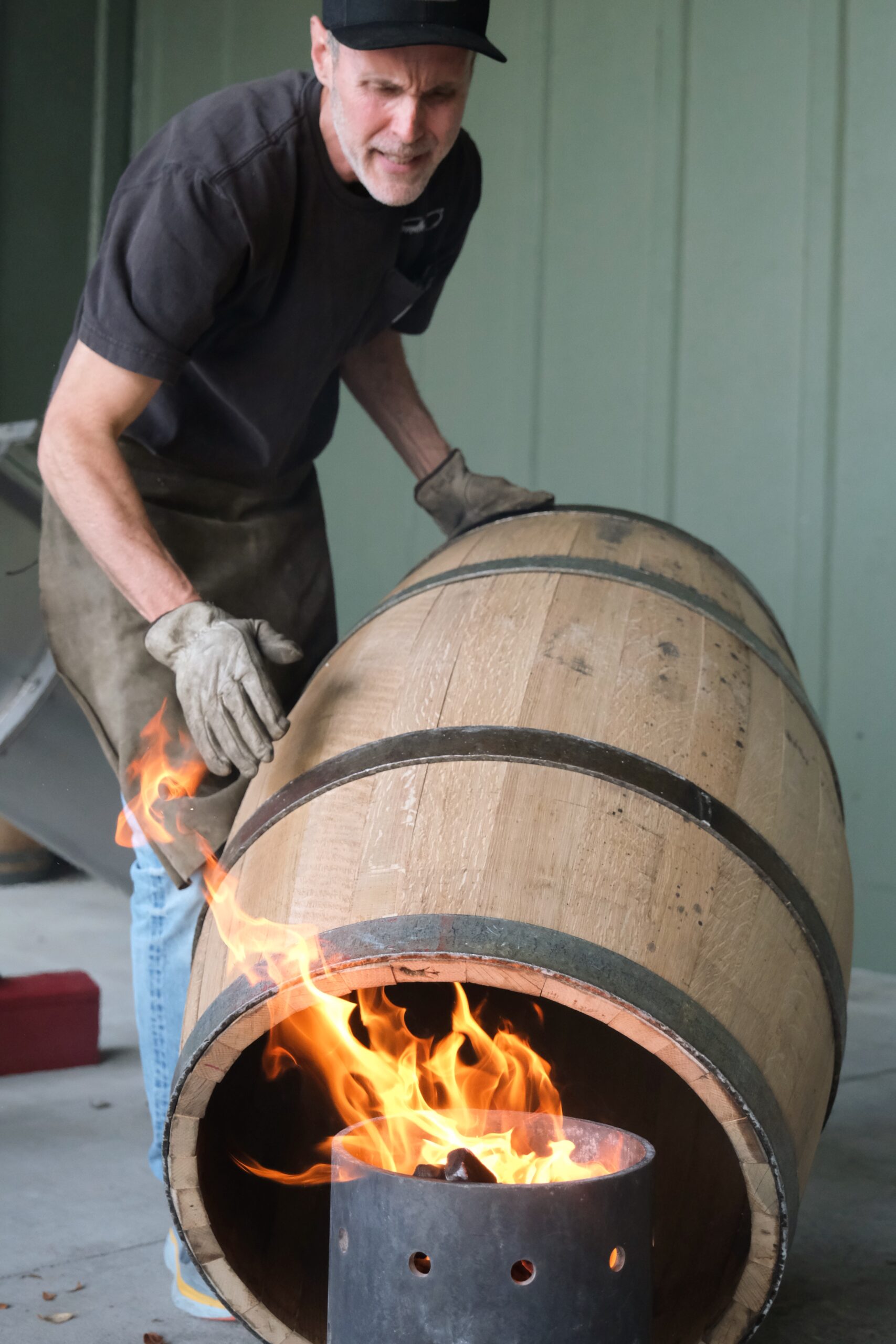
The cooper program at Tonnellerie Ô is led by second-generation Master Cooper Quinn Roberts (shown below toasting a barrel). There are only a few hundred Master Coopers in the world and they are in high demand for their expertise. Barrels are hand-made using traditional techniques, including heating the staves over an open fire, tightening the metal hoops and toasting the inside.
On this trip, our team watched as an oak tree planted in 1892 was cut down by the Gauthier family: one of the last independently owned stave mills in France. The staves from this tree were seasoned outdoors for three years before being sent to Tonnellerie Ô’s talented coopers in the Bay Area. There the staves were seasoned, shaped, toasted and made into a set of barrels that we received in 2019. A forest to cellar endeavor!
We knew we had to make a special wine to celebrate these barrels. We hand-harvested Block 3 Cabernet Sauvignon, one of our premier blocks, and aged the wine for 22 months in four of them. The sweet vanilla, cinnamon and toasted oak flavors of the barrel complement the dark fruit and rich tannins in the wine:
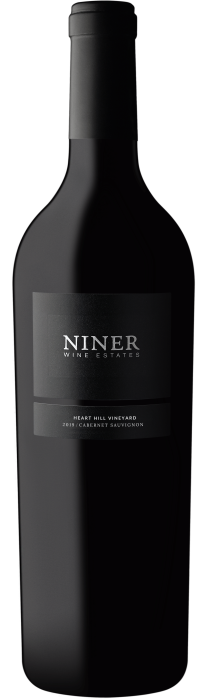
The newly released 2019 Reserve Cabernet Sauvignon ($95) was aged in 4 brand new 100% French Oak barrels made from this very forest that Patrick visited. This means the barrels were being filled with wine for the very first time. If you get the chance to taste this special wine, enjoy the connection between France and Paso Robles—the warm vanilla, cocoa, and toasty spice notes of French oak intertwined with the dark berry richness of our Heart Hill Cabernet Sauvignon.
From Sapling to Sipping: A 200 Year Journey
From start to finish, the process of planting an oak tree to sipping a glass of wine aged in its barrel can take up to 200 years! Here is a crash course on the steps:
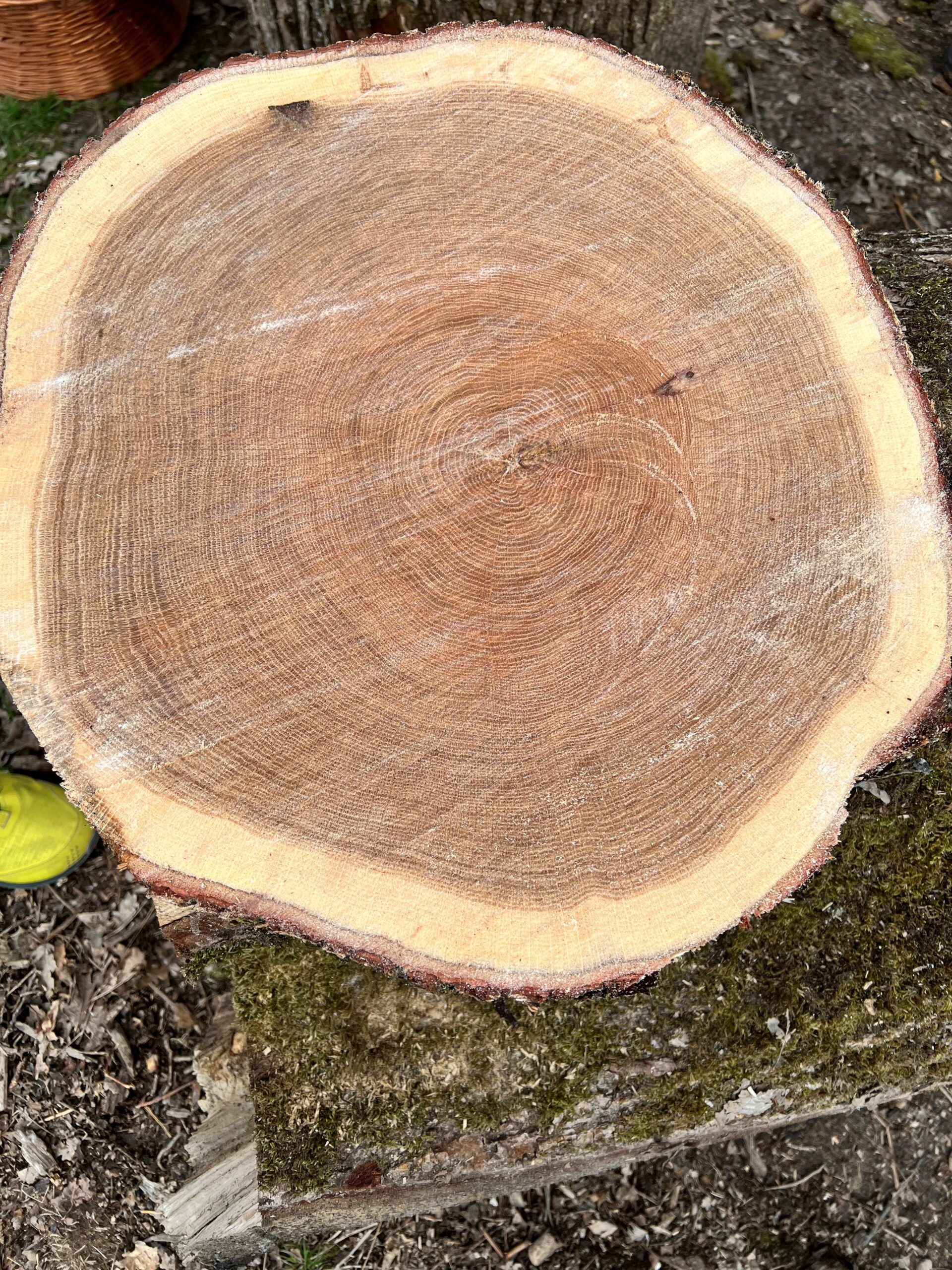
The 130 year old oak tree from the St. Palais Forest destined to become a Niner barrel
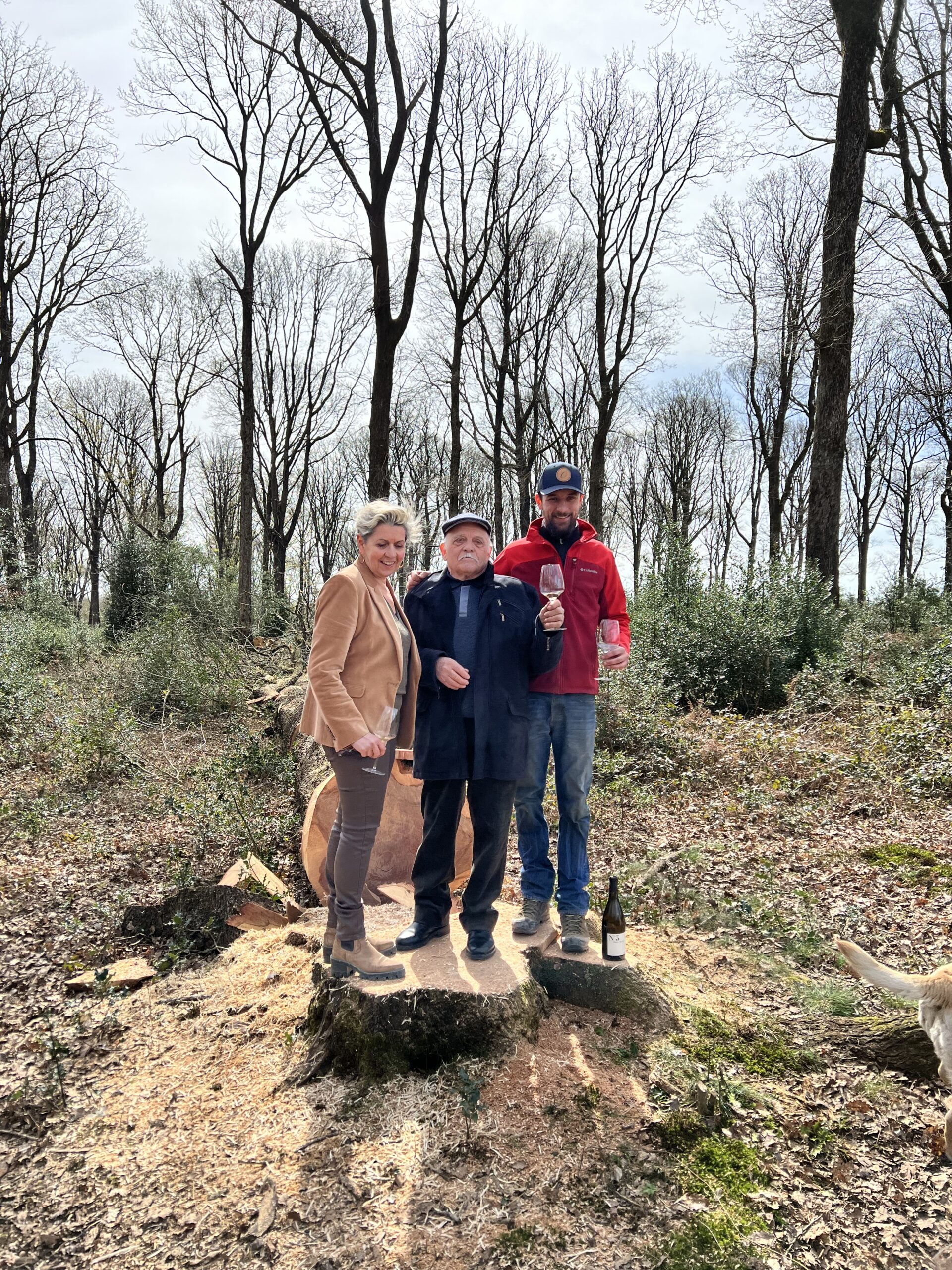
Three generations of the Gauthier Family standing on its stump and toasting its long life
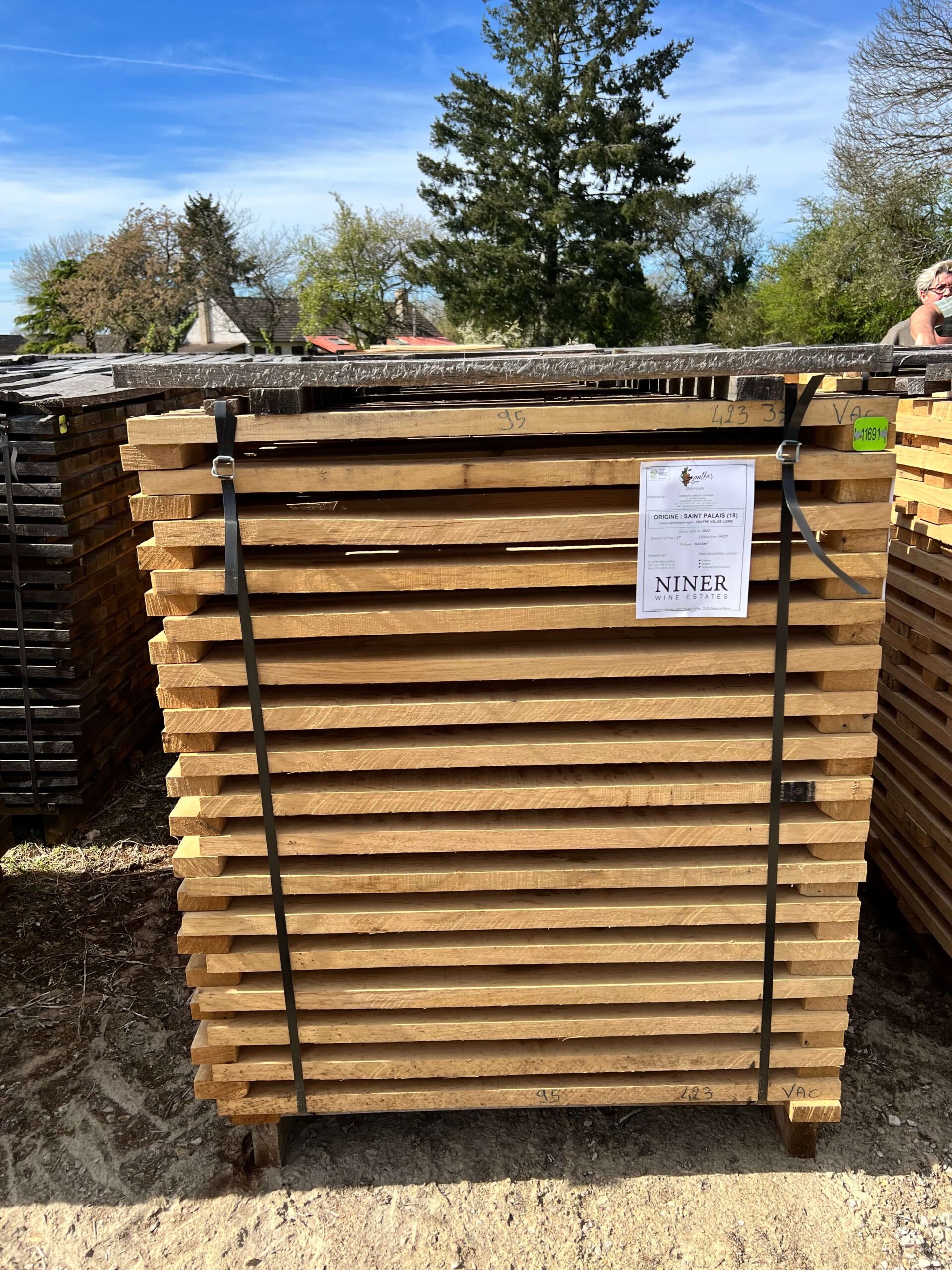
The staves aging in the forest
Stage 1: Planting
The trees being harvested in France for barrels right now were planted as long ago as the late 1800s! French oak trees are grown for up to 200 years, and only the best are harvested to ensure forest sustainability and the production of high-quality barrels.
Stage 3: Seasoning
The staves are stacked and left outdoors to season naturally for two to three years. This long air-drying process allows rain and sun to leach out harsh tannins and prepare the wood for barrel-making. It also reduces the moisture content, making the wood easier to shape.
Stage 5: Toasting
Next, the Cooper heats the interior of the barrel over an open flame to caramelize the wood’s natural sugars and enhance the imparting of complex flavors like caramel, vanilla and roasted coffee to wine. The level of toasting — light, medium, or heavy — affects the intensity and type of flavors the barrel will infuse.
Stage 2: Harvesting
The trees are hand-selected, cut down and the resulting oak logs are sent to a stave mill. Instead of sawing, the logs are carefully split along the grain to preserve their strength. This process ensures the wood will be leak-proof when shaped into staves for barrels.
Stage 4: Crafting
Once seasoned, the staves are sent to cooperages, where coopers heat them over open flames to make the oak pliable. The staves are then bent and assembled into the barrel shape and held together with metal hoops. The top and bottom barrel heads are fitted next, but left unattached until the next step.
Stage 6: Winemaking
All this work and no wine! After up to 200 years of waiting, the finished barrels are shipped to us and other wineries around the world. We purchase new barrels each year, and also use barrels from prior years that no longer impart strong flavors (known as ‘neutral barrels’) to ensure a well-rounded aging program.